Manual, automatic or quartz? How watch movements differ
The Cotswold Jeweller · 14 October 2026
The movement is the engine of a watch. There are three main kinds, and knowing the difference helps you choose the right watch and look after it.
Manual-wind
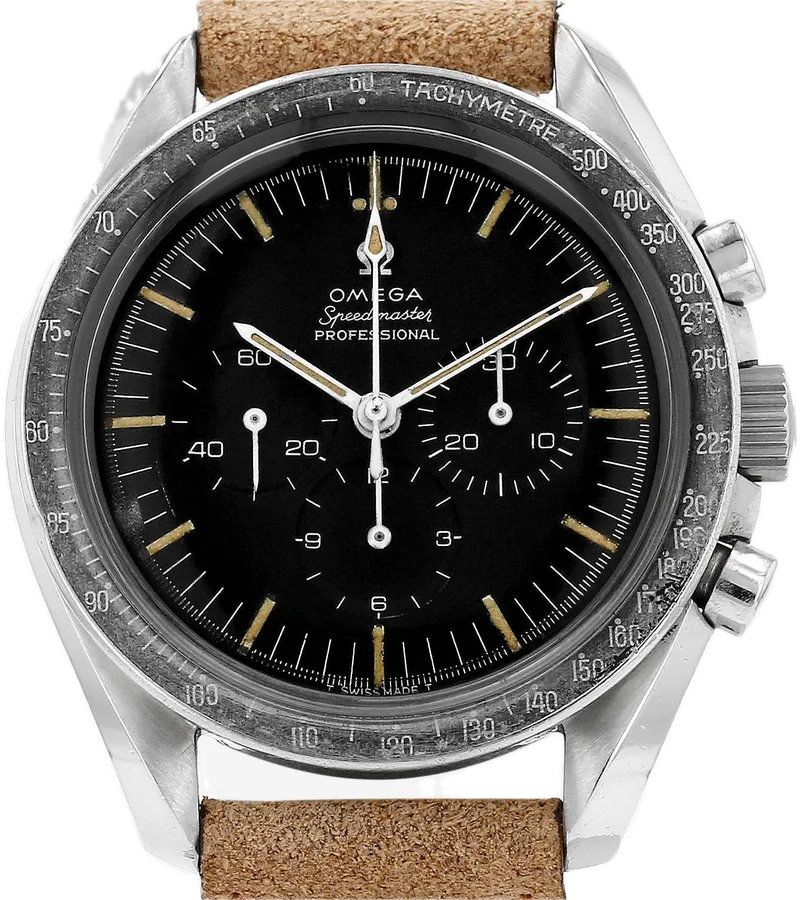
A manual-wind (or hand-wound) watch is powered by a mainspring you wind through the crown, usually every day or two. Without a winding rotor, these movements are often slimmer, and many owners enjoy the daily ritual. The Omega Speedmaster Professional is a famous example. See a 1965 Speedmaster.
Automatic
An automatic (self-winding) watch has a rotor inside that winds the mainspring as you move. Worn regularly, it keeps running on its own; left in a drawer, it will eventually stop and need winding or setting. Most modern Rolex, Omega and Audemars Piguet watches are automatic.
Quartz
A quartz watch is battery-powered and keeps very accurate time with little attention beyond a battery change. Many elegant dress watches use quartz movements, including much-loved Cartier models such as the Tank and Panthère, and Rolex made its own quartz Oysterquartz from 1977 to 2001.
Which is right for you?
- Manual: for those who enjoy the ritual, or want a slim dress watch.
- Automatic: for an everyday mechanical watch that looks after itself while worn.
- Quartz: for low maintenance, accuracy and often a lower price.
Every watch in our shop lists its movement. Not sure what you're after? Tell us and we'll help you find it.