Abraham-Louis Breguet is often called the greatest watchmaker who ever lived. Many of the things we now take for granted in fine watches began in his workshop in Paris.
The tourbillon
In 1801 Breguet patented the tourbillon, which places the balance and escapement in a rotating cage to even out the effects of gravity on a pocket watch's accuracy. Today it's one of the most admired complications in watchmaking.
Breguet's signatures
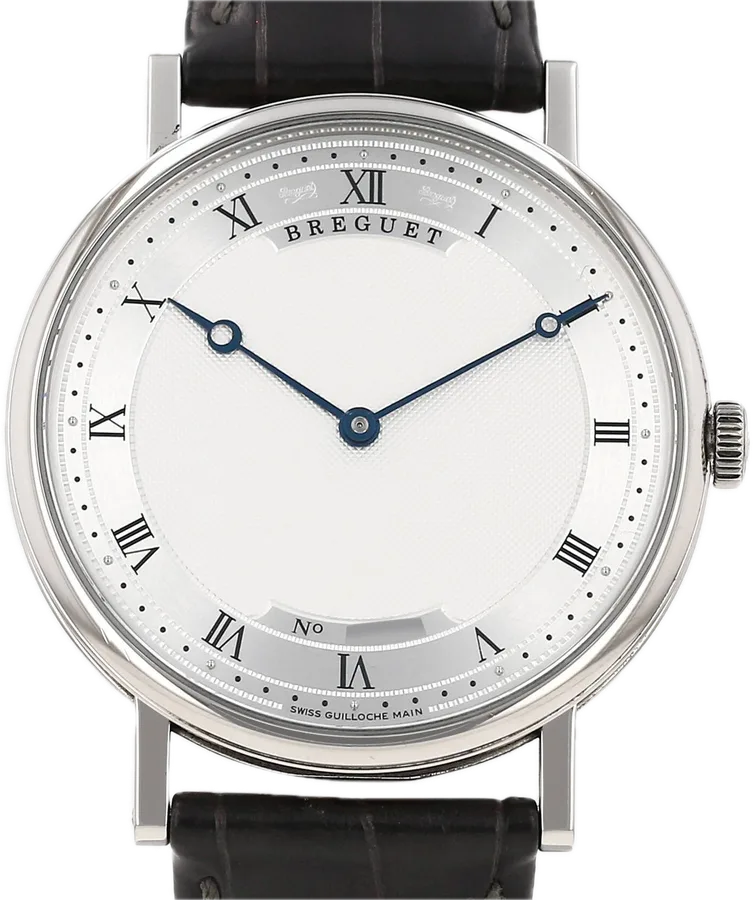
- Breguet hands: slim hands ending in a hollow, off-centre circle near the tip.
- Guilloché dials: intricate engine-turned patterns cut into the dial.
- The Breguet overcoil: a hairspring whose outer coil is raised and curved to help the watch run more evenly.
- Self-winding “perpétuelle” watches: Breguet made self-winding pocket watches from around 1780.
A queen's wristwatch
Breguet made one of the first known wristwatches, completed in 1812 for Caroline Murat, Queen of Naples and sister of Napoleon.
The Marie Antoinette watch
In 1783 Breguet was commissioned to make a watch for Queen Marie Antoinette containing every complication then known. It took decades, and the watch, No. 160, was only completed in 1827, after the deaths of both the queen and Breguet himself. It was stolen from a museum in Jerusalem in 1983 and recovered in 2007.
Breguet today
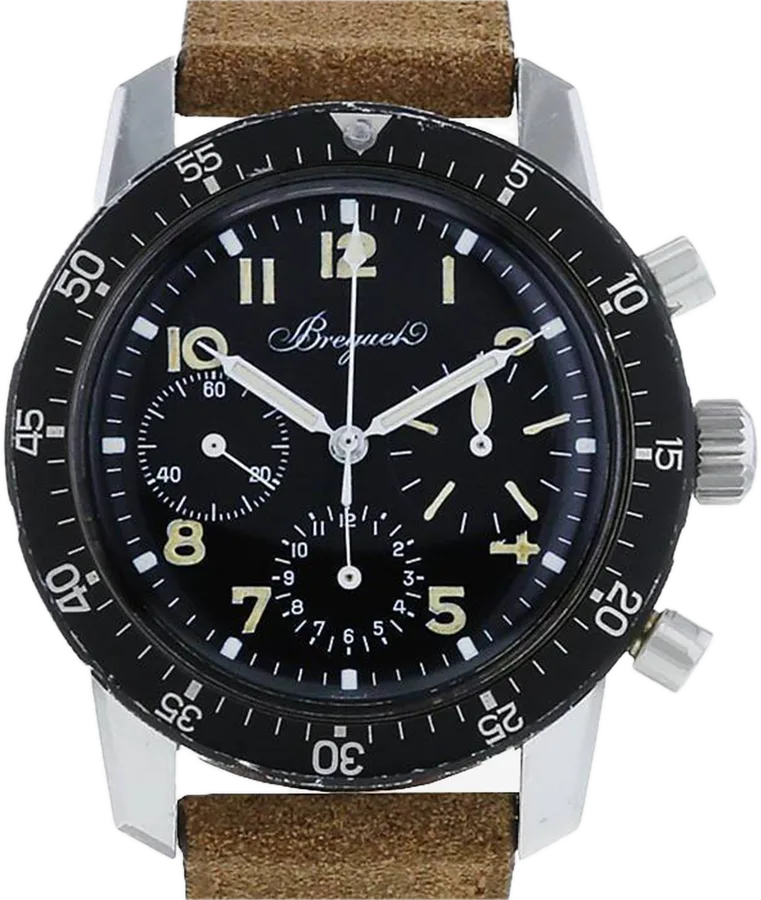
Breguet has been part of the Swatch Group since 1999. Alongside the dress-watch Classique, it's known for the Type XX pilot's chronograph, developed in the 1950s. See a Classique or a vintage Type XX in our shop.