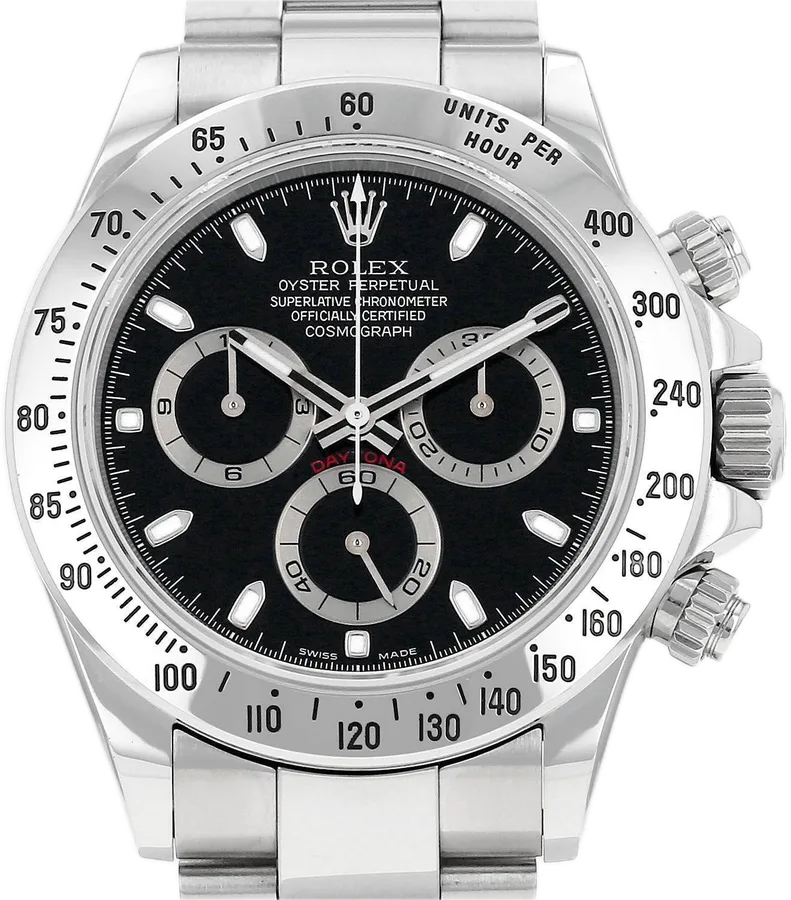
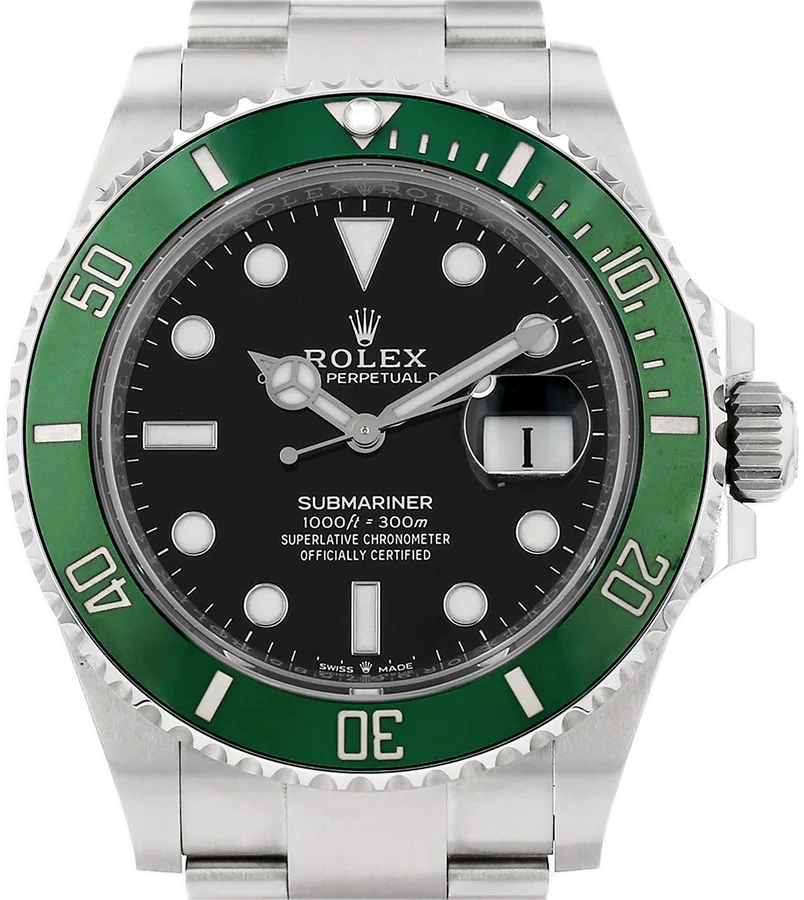
Rolex or Audemars Piguet? What stepping up really gets you
The Cotswold Jeweller · 14 October 2026
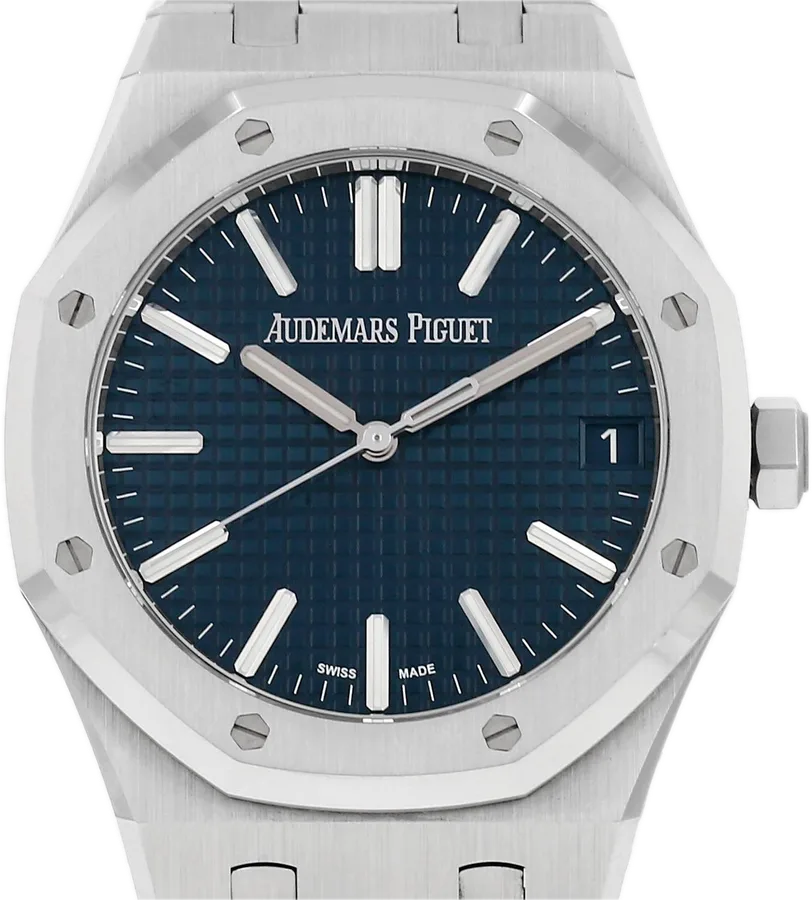
For many collectors, the next step after a Rolex is an Audemars Piguet, usually a Royal Oak. Both are superb, but they're very different watchmakers. Here's an honest comparison.
Two very different houses
Rolex was founded in London in 1905 by Hans Wilsdorf and moved to Geneva after the First World War. Today it's owned by a foundation and makes far more watches than any other luxury brand, with estimates of around a million a year. Audemars Piguet, founded in 1875 in Le Brassus, is still family-owned and makes a small fraction of that, estimated in the tens of thousands.
What stepping up gets you
- Finishing: Audemars Piguet is known for extensive hand finishing, such as the alternating brushed and polished surfaces of the Royal Oak case and bracelet, and decorated movements visible through a display back.
- Exclusivity: far fewer watches are made, so you're less likely to see your watch on someone else's wrist.
- Design: the Royal Oak's octagonal bezel and integrated bracelet are instantly recognisable. Read the story of the Royal Oak.
- Complications: AP is celebrated for chronographs, perpetual calendars and more within the Royal Oak family.
What you might miss
- Everyday toughness: Rolex watches are famously robust. The Royal Oak's brushed surfaces and sharp edges show wear more readily.
- Bracelet adjustment: Rolex's clasps often include quick extensions; an integrated Royal Oak bracelet is more fixed.
- Price: like-for-like, an Audemars Piguet usually costs considerably more to buy and to service.
Which is right for you?
If you want one watch for everything, a steel Rolex is hard to beat. If you already have that covered and want something rarer, more finely finished and more design-led, the Royal Oak is a natural next step. We'd always suggest trying both on. Browse the Audemars Piguet and Rolex watches in our shop, or tell us what you're looking for.